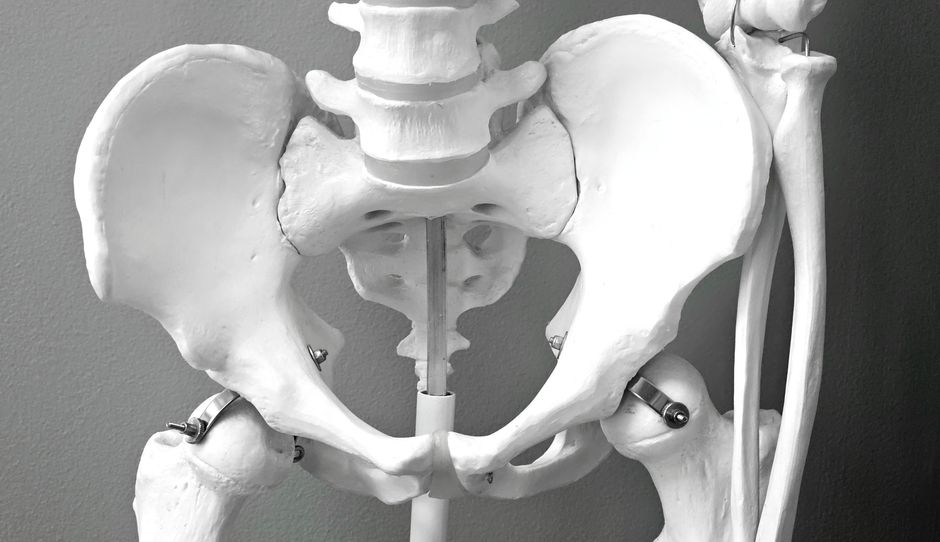
Photo by Magda Ehlers on Pexels
Tromboflebitis Superfisial dalam Kehamilan: Panduan Lengkap ICD-10 O22.2
📚 Daftar Pustaka (APA 7)
[1]
Royal College of Obstetricians and Gynaecologists. (2015). Thrombosis and Embolism during Pregnancy and the Puerperium, Reducing the Risk (Green-top Guideline No. 37a). London: RCOG.
[2]
American College of Obstetricians and Gynecologists. (2018). Practice Bulletin No. 197: Inherited Thrombophilias in Pregnancy. Obstetrics & Gynecology, 132(1), e18-e34.
[3]
Bates, S. M., et al. (2012). VTE, Thrombophilia, Antithrombotic Therapy, and Pregnancy: Antithrombotic Therapy and Prevention of Thrombosis, 9th ed: American College of Chest Physicians Evidence-Based Clinical Practice Guidelines. Chest, 141(2 Suppl), e691S-e736S.
[4]
James, A. H. (2009). Venous thromboembolism in pregnancy. Arteriosclerosis, Thrombosis, and Vascular Biology, 29(3), 326-331.
[5]
Khalil, H., et al. (2015). Superficial vein thrombosis in pregnancy: A systematic review of the literature. Thrombosis Research, 136(3), 407-415.
[6]
World Health Organization. (2019). ICD-10 Version: 2019. Geneva: WHO.
[7]
Blondon, M., et al. (2017). Incidence of pregnancy-associated venous thromboembolism and risk factors for occurrence. Journal of Thrombosis and Haemostasis, 15(2), 345-352.
[8]
Heit, J. A., et al. (2005). The incidence of venous thromboembolism during pregnancy and the postpartum period: A population-based study. Blood, 105(3), 1268-1273.