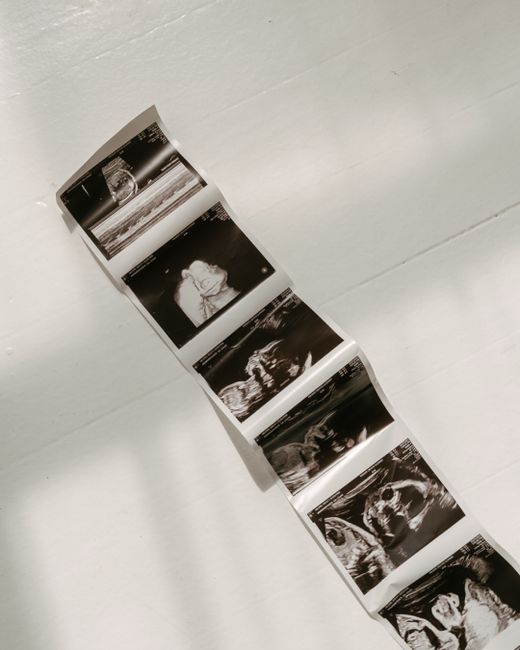
Photo by Taylor Thompson on Pexels
P52.1: Perdarahan Intraventrikular (Non-Traumatik) Grade 2 pada Janin dan Neonatus
📚 Daftar Pustaka (APA 7)
[1]
Volpe JJ. Neurology of the Newborn. 6th ed. Philadelphia: Elsevier; 2018. p. 368-425.
[2]
Papile LA, Burstein J, Burstein R, Koffler H. Incidence and evolution of subependymal and intraventricular hemorrhage: a study of infants with birth weights less than 1,500 gm. J Pediatr. 1978;92(4):529-534.
[3]
WHO. International Statistical Classification of Diseases and Related Health Problems, 10th Revision (ICD-10). Geneva: World Health Organization; 2019.
[4]
Brouwer AJ, Groenendaal F, Benders MJ, de Vries LS. Early and late complications of germinal matrix-intraventricular haemorrhage in the preterm infant: what is the best reporting instrument? Early Hum Dev. 2014;90(1):1-6.
[5]
Davis AS, Hintz SR, Van Meurs KP, et al. Seizures in infants less than 2500 grams: risk factors and outcomes. J Perinatol. 2018;38(5):567-574.
[6]
Cunningham KE, Okochi S, Shah DK. Neurodevelopmental outcomes following intraventricular hemorrhage. Clin Perinatol. 2022;49(1):123-140.
[7]
AAP Committee on Fetus and Newborn. Postnatal hemorrhage and intraventricular hemorrhage. Pediatrics. 2014;134(2):e580-e588.
[8]
Klebermass-Schrehof K, Czaba C, Olischar M, et al. Impact of low-grade intraventricular hemorrhage on long-term neurodevelopmental outcome. Neonatology. 2019;116(4):321-327.
[9]
Bassan H, Limperopoulos C, Visconti E, et al. Neurodevelopmental outcome in survivors of periventricular hemorrhagic infarction. Pediatrics. 2017;139(3):e20161675.
[10]
Miller SP, Ferriero DM, Leonard C, et al. Early brain injury in premature newborns detected with magnetic resonance imaging. J Pediatr. 2015;166(4):832-837.